
What Is a Lineman?
Without lineman, life as we know it would not be possible.
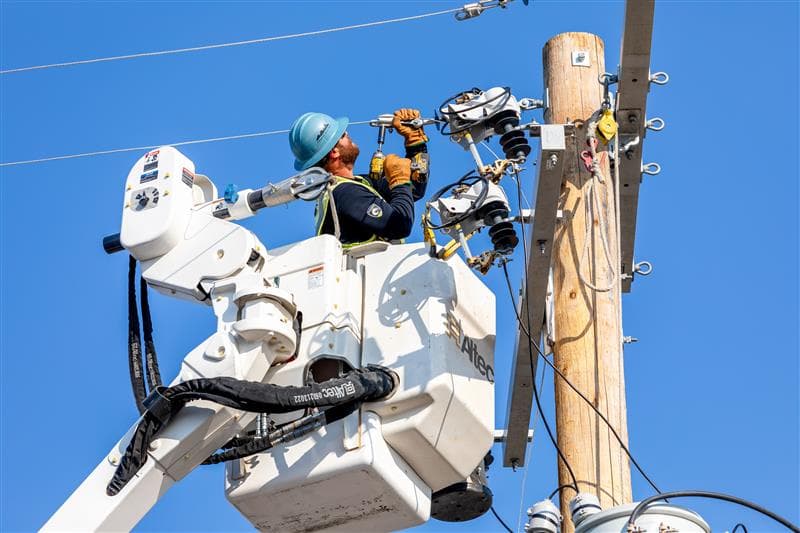
Line work is one of the most essential and highly regarded trades in the skilled workforce. A lineman, also known as an electrical lineworker, is a skilled tradesperson responsible for installing, maintaining, and repairing electrical power lines and related infrastructure. Lineman work outdoors and engage in task such as climbing utility poles, working with energized conductors, and operating electrical equipment. They are vital in maintaining and expanding the electrical infrastructure that powers homes, businesses, and industries. The annual demand for electricity is growing rapidly year over year due to increasing populations and advancements in AI and data storage centers. Lineman are the ones the build the overhead and underground powerlines to make this all possible. Without lineman, life as we know it would not be possible.
A Day in the Life
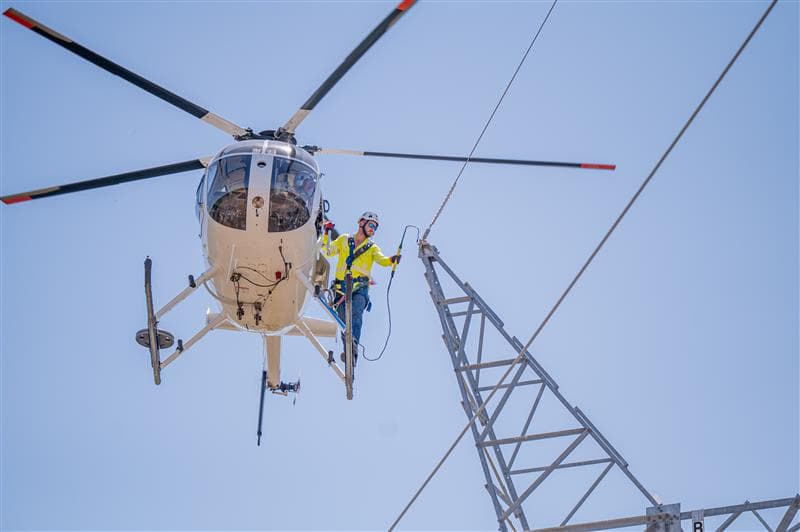
A typical day for a lineman varies depending on the type of job they are assigned. Some linemen focus on new construction, installing power lines for new developments. Others specialize in maintenance, inspecting and repairing aging infrastructure to prevent outages. Storm restoration crews respond to emergencies, often working in dangerous conditions to restore power after hurricanes, wildfires, and other disasters.
Linemen often work long hours in various weather conditions. Whether facing the scorching heat of summer, the frigid cold of winter, or the aftermath of a storm, they are dedicated to restoring and maintaining power. This job requires both physical endurance and mental toughness, but it also offers a profound sense of purpose and accomplishment.
Skills and Training
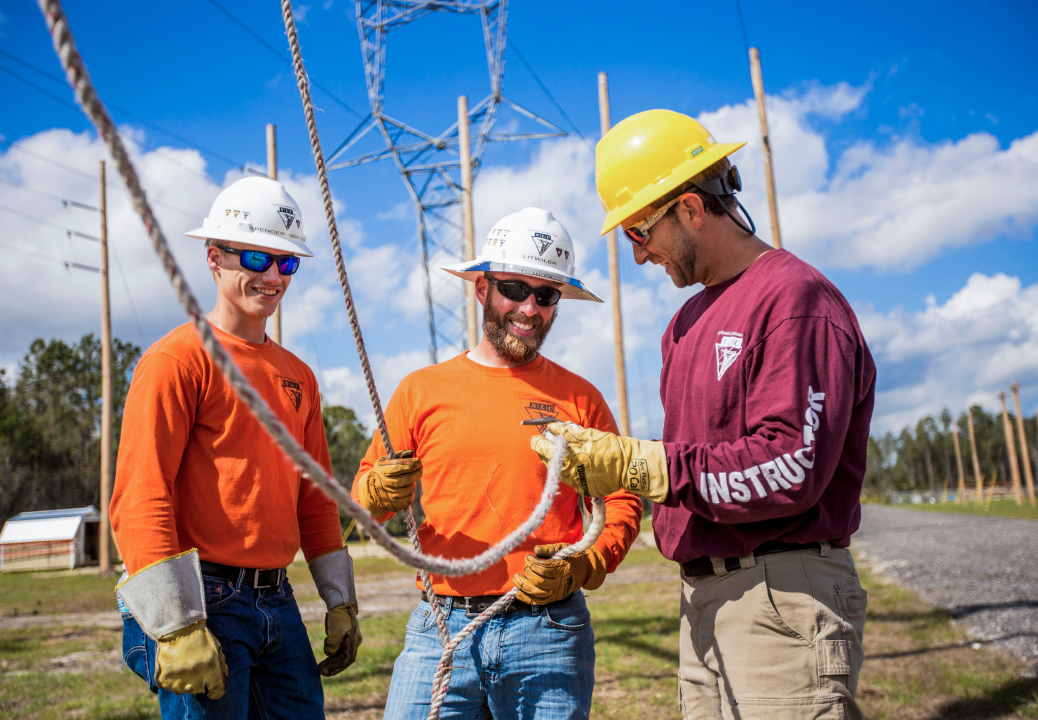
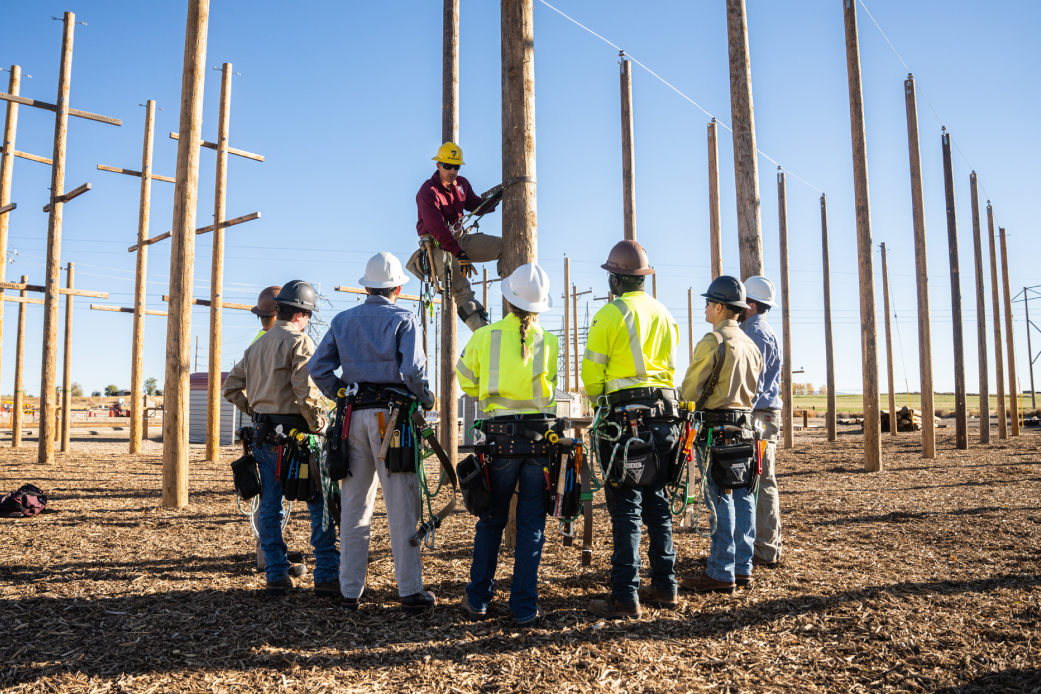
Becoming a lineman requires extensive training and hands-on experience. Most linemen begin their careers by attending a lineworker training program, such as the one offered at Northwest Lineman College (NLC). These programs teach students the fundamental knowledge needed to succeed as they enter the trade such as, climbing, electrical theory, safe work practices, OSHA, and Electrical Grid.
After completing a training program, aspiring linemen typically enter an apprenticeship, which lasts between 3-4 years. During this time, they work under the supervision of experienced journeymen linemen, gaining real-world experience while continuing their education.
Once linemen complete their apprenticeship and meet the required hours of experience (6,000-8,000 hours), they can test to become a journeyman lineman. This designation allows them to work independently and take on more complex projects. Many linemen also pursue additional certifications to specialize in areas like transmission work, underground distribution, or substation maintenance just to name a few.
The Brotherhood of Linemen
One of the unique aspects of being a lineman is the strong sense of camaraderie among those in the trade. Linemen rely on each other daily, trusting their partners with their lives while working in hazardous conditions. This bond creates a culture of mutual respect and teamwork rarely found in other careers.
The lineman community also extends beyond the job site. Events like rodeos and trade gatherings bring linemen together to compete, celebrate their craft, and share knowledge. These events showcase the skills and dedication of those in the trade while strengthening the connections within the lineman brotherhood.
Job Outlook and Opportunities
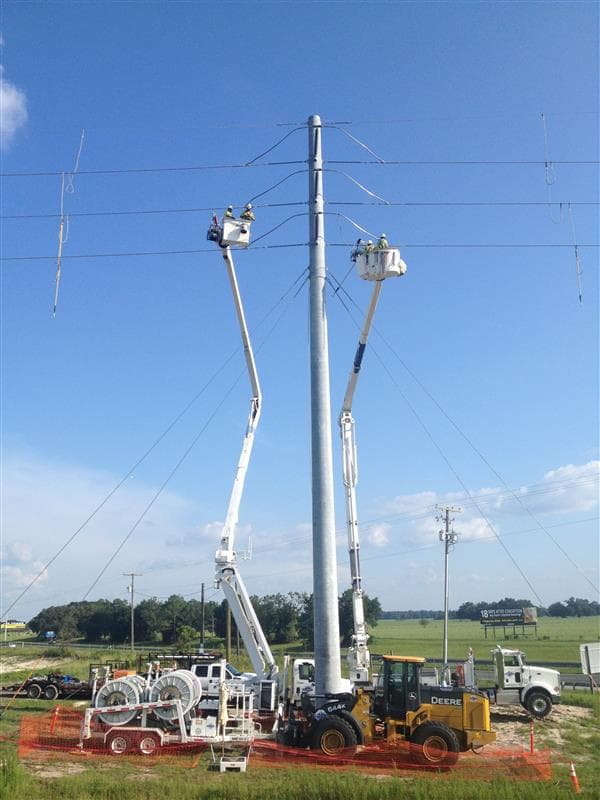
The demand for linemen remains strong, with utilities and contractors continually seeking skilled workers to maintain and expand the electrical grid. As older generations of linemen retire, a new wave of apprentices is needed to fill their roles. Additionally, as renewable energy sources like wind and solar power become more prevalent, linemen are playing a critical role in integrating these technologies into the existing power grid.
A career as an electrical lineworker offers competitive pay, excellent benefits, and opportunities for advancement. Many linemen move into leadership roles such as foreman, supervisor, or safety instructor. Others transition into utility management or training positions, helping to educate the next generation of lineworkers.
Is Line Work Work Right for You?
Line work isn’t for everyone. It requires physical strength, a fearless attitude toward heights, and a strong commitment to safety. However, for those who are up for the challenge, it offers an incredibly rewarding career that directly impacts society.
If you want to become a lineman, consider enrolling in a reputable training program like NLC. With the right education, hands-on training, and a strong work ethic, you can join the ranks of those who keep the lights on and power flowing.
Interested in learning more? Explore NLC’s lineworker training programs and take the first step toward an exciting career in the power industry.
Elevate Your Workforce
Pre-Apprentice Program
Learn more about our 15-Week Electrical Lineworker Program.

Power Delivery Programs
Distance-learning apprentice training curriculum. Enroll your company's apprentices today
Lineman Apprenticeship Program
Instructor-led training and certification apprenticeship program to build your company’s apprenticeship.