
Skills as a Veteran That Help You in the Trade
Leaving the military doesn’t mean letting go of purpose, challenge, or teamwork. For many veterans, the next mission starts with a hard hat — not a uniform.
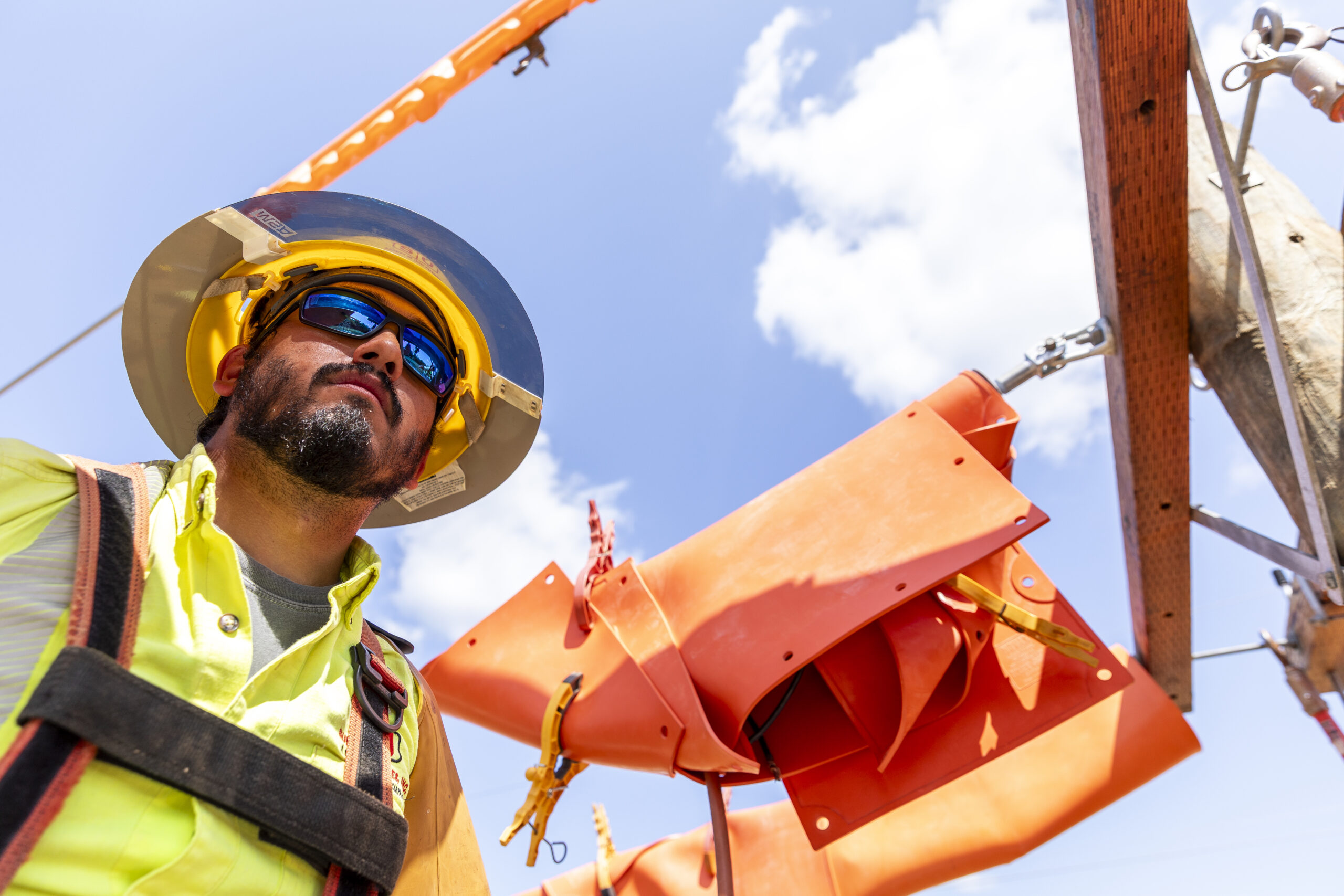
Transitioning from military service to civilian life is one of the most significant changes a veteran will face. Many service members leave the military with a deep desire to continue doing meaningful work, be part of a team, and use the skills they’ve developed to advance in the civilian sector. For those seeking a purpose-driven civilian career, the power industry—and specifically linework—offers a compelling path forward.
Whether you served in the Army, Navy, Air Force, Marines, Coast Guard, or Space Force, your military experience has prepared you for more than you may realize. Linework is one of the fastest-growing, high-demand skilled trades in the country, and it offers veterans the chance to continue serving their communities in a challenging and rewarding way.
Why the Power Industry Is a Natural Fit for Veterans
The power industry thrives on precision, safety, and mission-critical response—attributes that closely mirror military operations. Linemen are responsible for building, maintaining, and restoring the electrical infrastructure that keeps America running. When storms hit or disasters strike, linemen are shoulder-to-shoulder with first responders, working under tough conditions to restore power and stability.
This sense of purpose resonates with many veterans. Much like the military, linework emphasizes leadership, safety protocols, accountability, and teamwork. Every crew member has a role, and everyone depends on each other to do the job right—and return home safely.
The work is physically demanding, technically challenging, and constantly evolving. Many companies offer formalized apprenticeship programs providing structured learning and hands-on training to help you master your craft.
Transferable Military Skills That Align with Linework
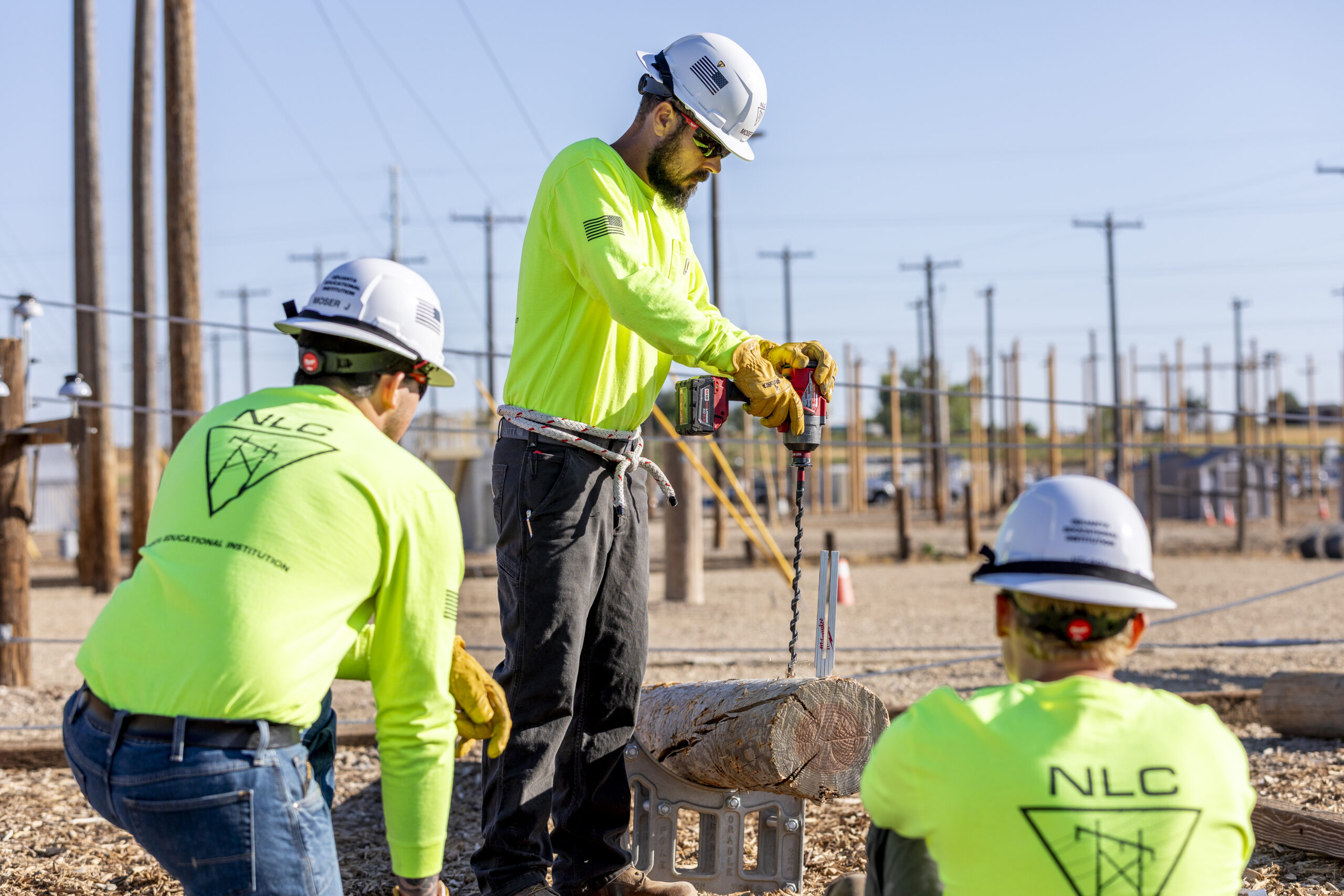
Veterans bring a unique and valuable skill set to the skilled trades, and employers in the power industry actively seek out candidates with military backgrounds. Here are several key competencies that translate seamlessly:
· Leadership: Many veterans have led teams, made time-sensitive decisions, and taken responsibility for mission outcomes. Those skills carry directly into roles on line crews and in project leadership. Many go on to leadership roles on line crews or within corporate offices.
· Teamwork: Success in linework depends on trust, communication, and cohesion. Veterans are well-versed in working closely with others in high-stakes environments, making them natural team players.
· Discipline and Work Ethic: Adherence to standards, attention to detail, and a commitment to seeing the job through are critical in both military and utility work. Veterans consistently demonstrate these traits.
· Risk Management and Safety Culture: A focus on risk assessment and safety procedures is central to both military operations and linework. Veterans understand how to follow protocols and remain calm under pressure.
Veteran Support at Northwest Lineman College
For veterans exploring careers after the military, Northwest Lineman College (NLC) provides a pathway to 30+ careers in the power industry. With a long history of serving veterans, NLC understands the unique needs of those transitioning out of the military and offers dedicated resources to ensure success.
Here’s how NLC supports veteran students:
· GI Bill® and VA Benefits Accepted: NLC is approved to accept the Post-9/11 GI Bill, VR&E (Chapter 31), and other VA education benefits. These programs can cover tuition, housing, and materials.
· Dedicated Veteran Support: Our VA School Certifying Official is here for you from initial contact thought graduation. We’re always a phone call away.
· Robust employer network: NLC is part of the Quanta Services family, a Fortune 200 company, and the #1 employer of craft skill labor in the U.S. Our relationships with utility companies and contractors open doors to opportunities before students even finish the program.
· Peer network: Roughly 20% of our students are veterans and many of our instructors served in the military creating a strong peer and instructor network who understand military culture. This camaraderie can make all the difference in navigating a successful transition.
The Bottom Line: Linework Is a Career That Continues the Mission
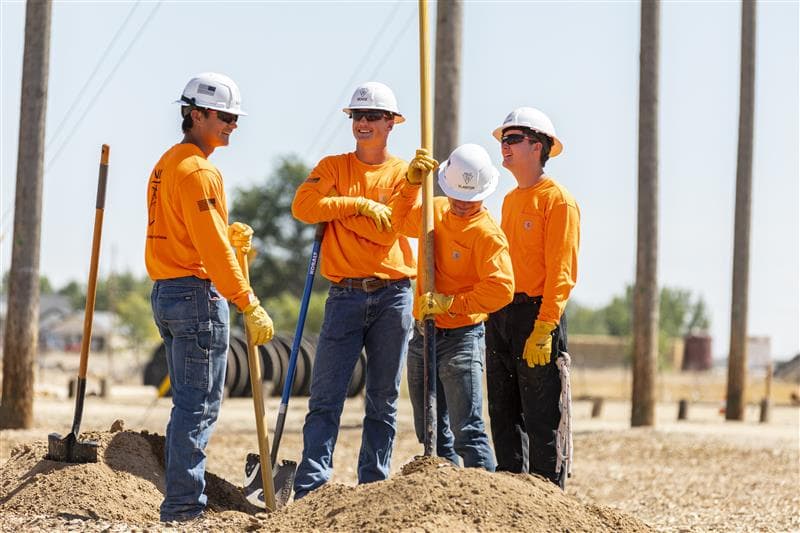
For veterans who miss the camaraderie, purpose, and challenges of military service, a career in the power industry provides a meaningful way to continue contributing to your community. Linework demands physical and mental toughness, teamwork, and a commitment to safety—traits veterans already possess.
It’s not just a job—it’s a trade with long-term growth potential, excellent pay, and the chance to make a visible difference every single day.
Take the Next Step
Veterans interested in starting their next mission in the power industry can begin their journey at Northwest Lineman College.
· Visit the NLC Veterans Page to learn more about benefits, training programs, and next steps.
· Talk to an NLC Admissions Coordinator to explore how your military background can fast-track you into a rewarding skilled trade career.
The tools you need are already in your toolbox. Now it’s time to put them to work in a new mission—powering the nation forward.
Elevate Your Workforce
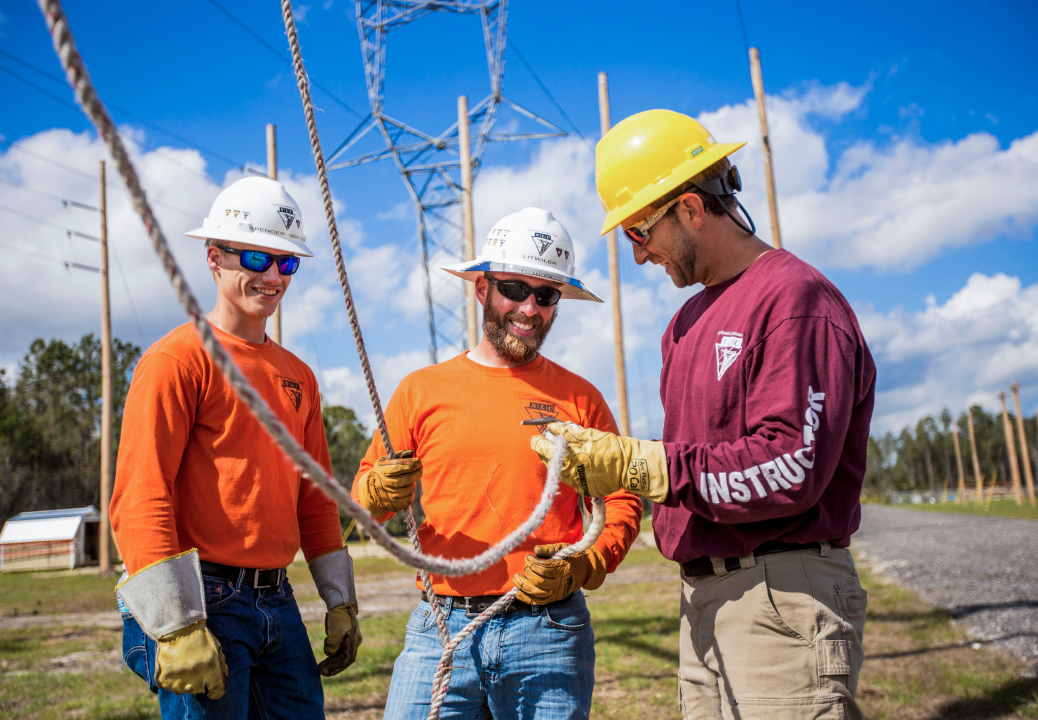
Pre-Apprentice Program
Learn more about our 15-Week Electrical Lineworker Program.
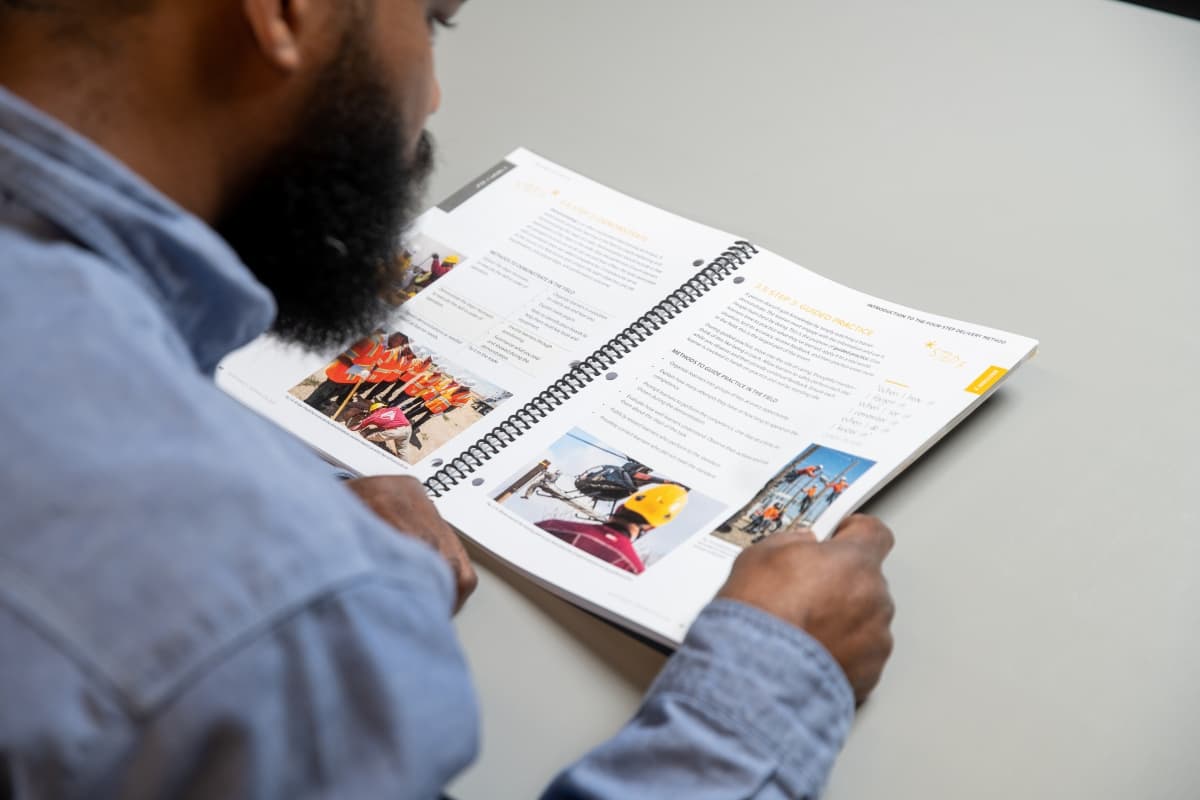
Power Delivery Programs
Distance-learning apprentice training curriculum. Enroll your company's apprentices today
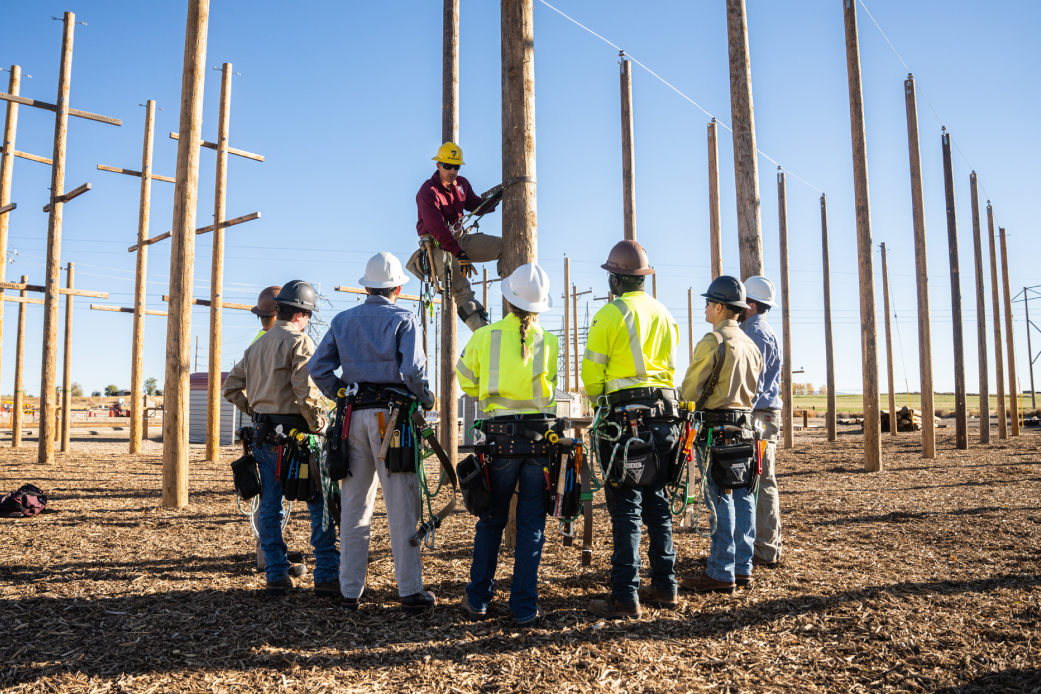
Lineman Apprenticeship Program
Instructor-led training and certification apprenticeship program to build your company’s apprenticeship.